ArcheZyme
Engineering resilience beyond nature
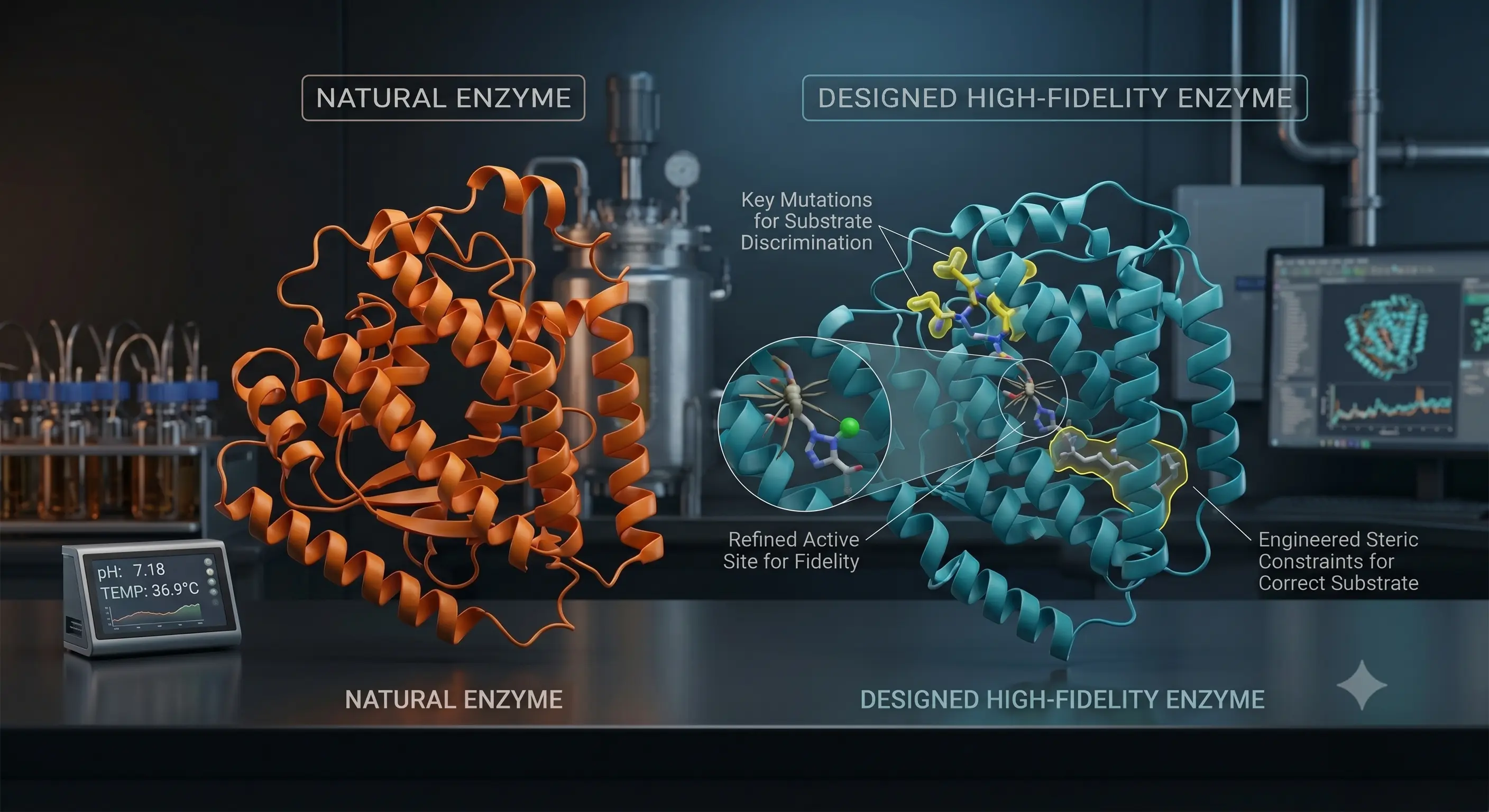
Most enzyme engineering approaches improve either activity or stability. ArcheZyme uses AI-guided design to break this tradeoff and create enzymes that excel at both.
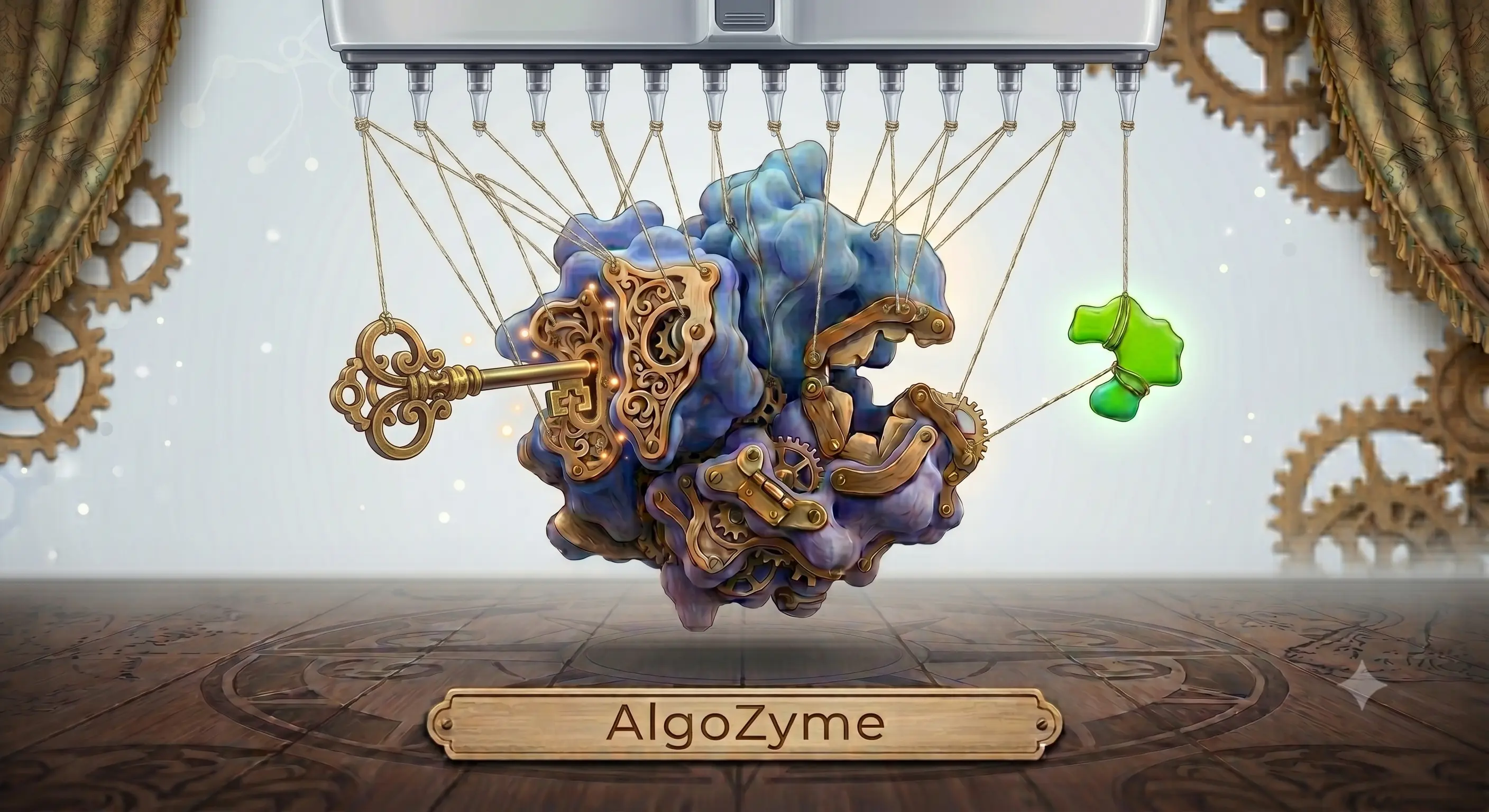
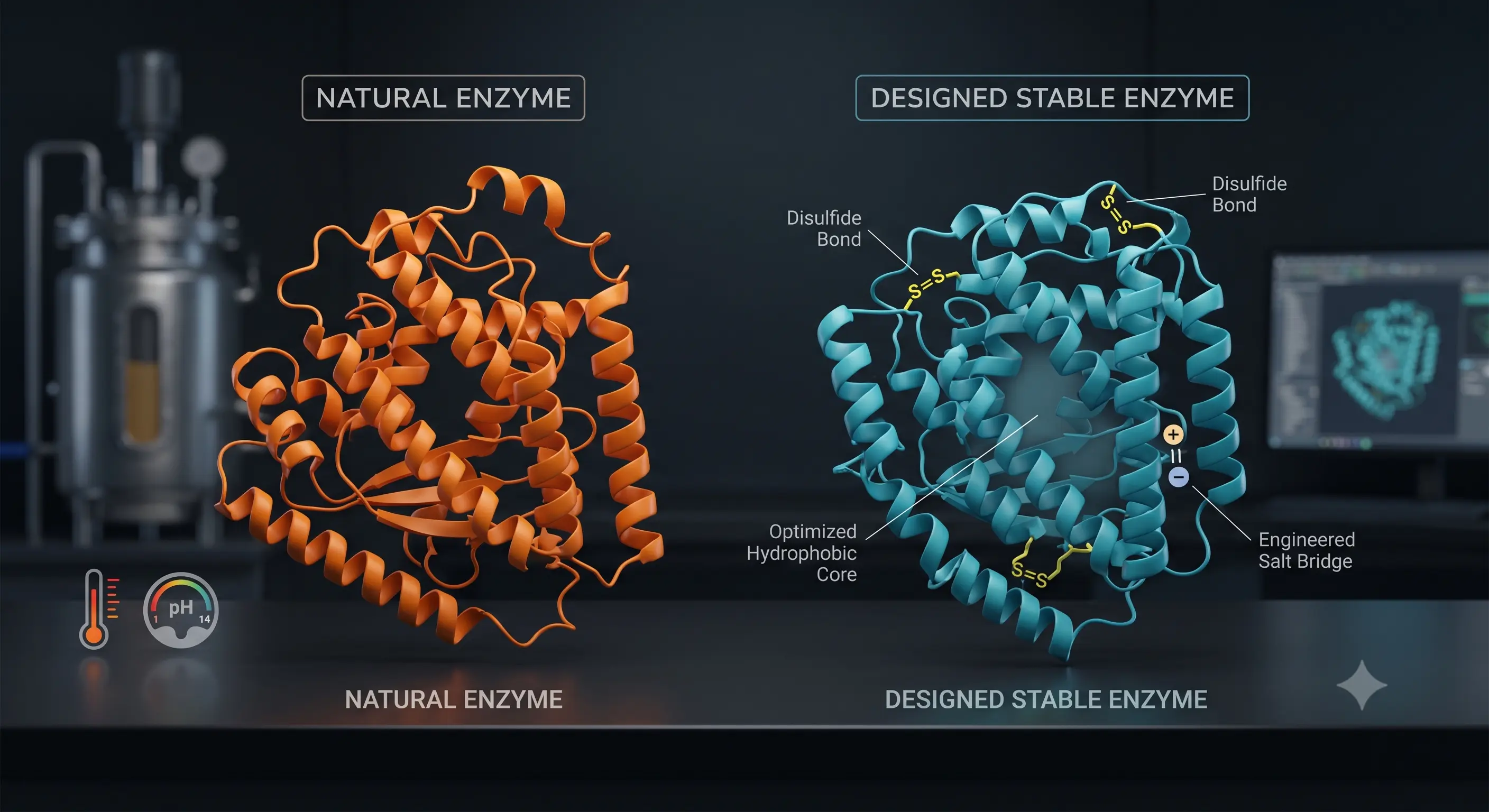
A long-standing challenge in enzyme engineering is the activity–stability tradeoff: mutations that increase an enzyme's stability often reduce its catalytic activity, while improvements in activity frequently come at the expense of stability. This perceived compromise has limited the performance of many industrial biocatalysts.
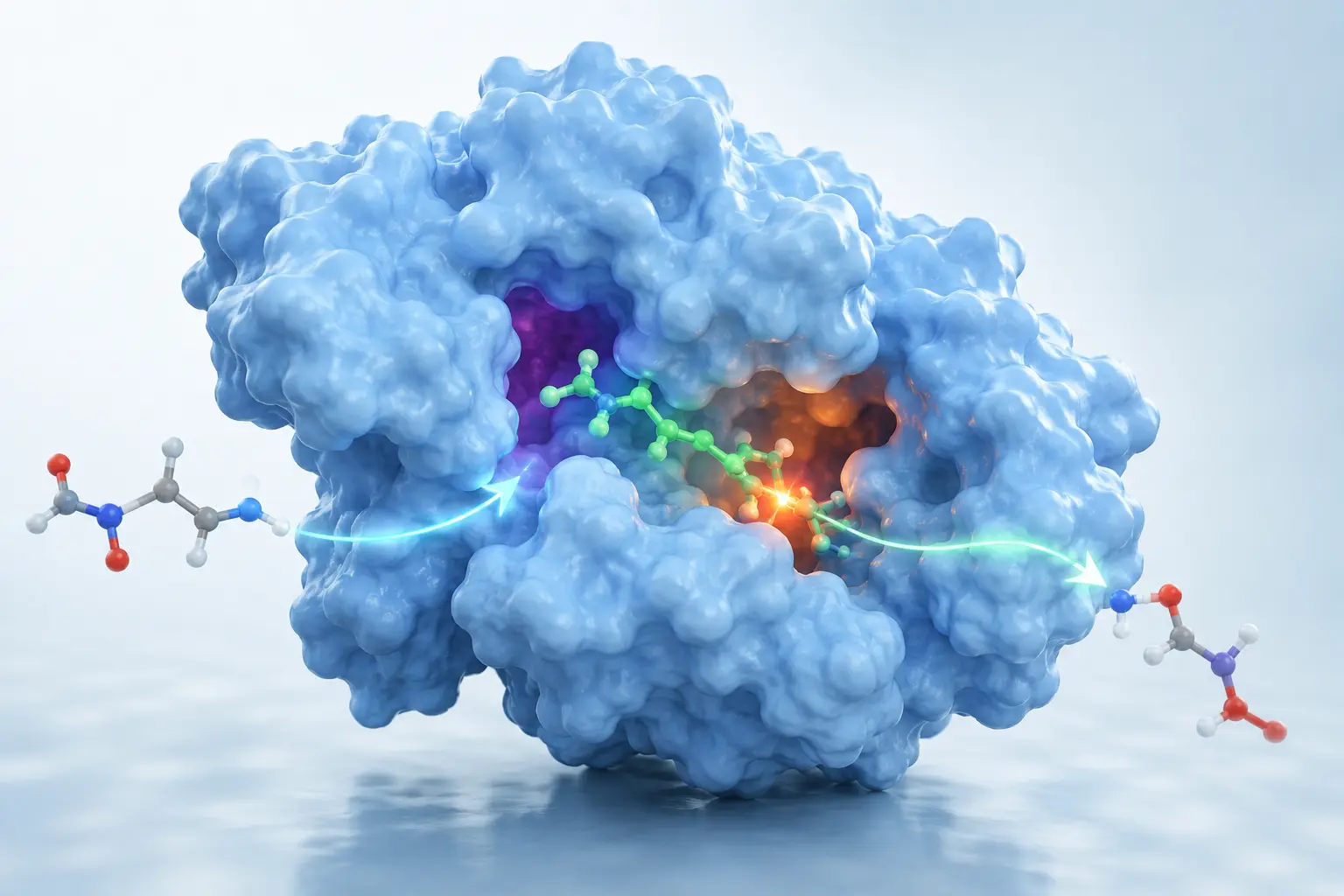
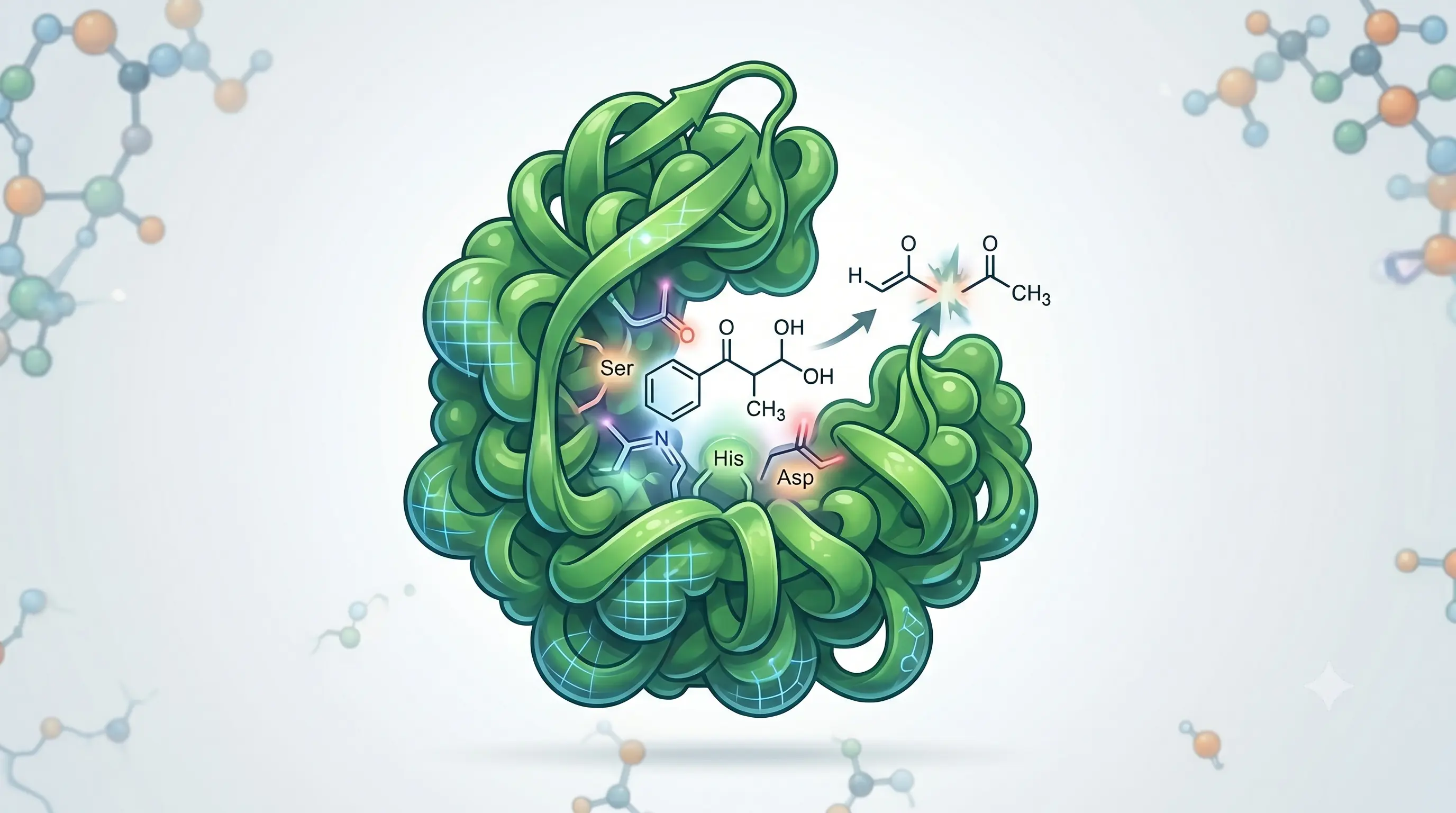
At ArcheZyme, we challenge this convention. Our AI-powered enzyme design platform integrates evolutionary intelligence, structural biology, and physics-based modeling to identify mutations that simultaneously enhance both enzyme stability and catalytic efficiency. Rather than relying on traditional trial-and-error approaches, our platform explores vast regions of protein sequence space to uncover designs that would be difficult or impossible to discover experimentally.
By understanding the intricate relationship between protein structure, dynamics, and function, we engineer enzymes that retain high activity under demanding industrial conditions such as elevated temperatures, extreme pH, organic solvents, and prolonged processing times. The result is a new generation of biocatalysts that are not only more robust but also more productive.
The activity–stability tradeoff is often considered an unavoidable law of enzyme engineering. We view it as a design challenge—and one that modern AI can solve.
Through ArcheZyme, enzyme optimization is no longer about choosing between activity and stability. It is about achieving both.